About
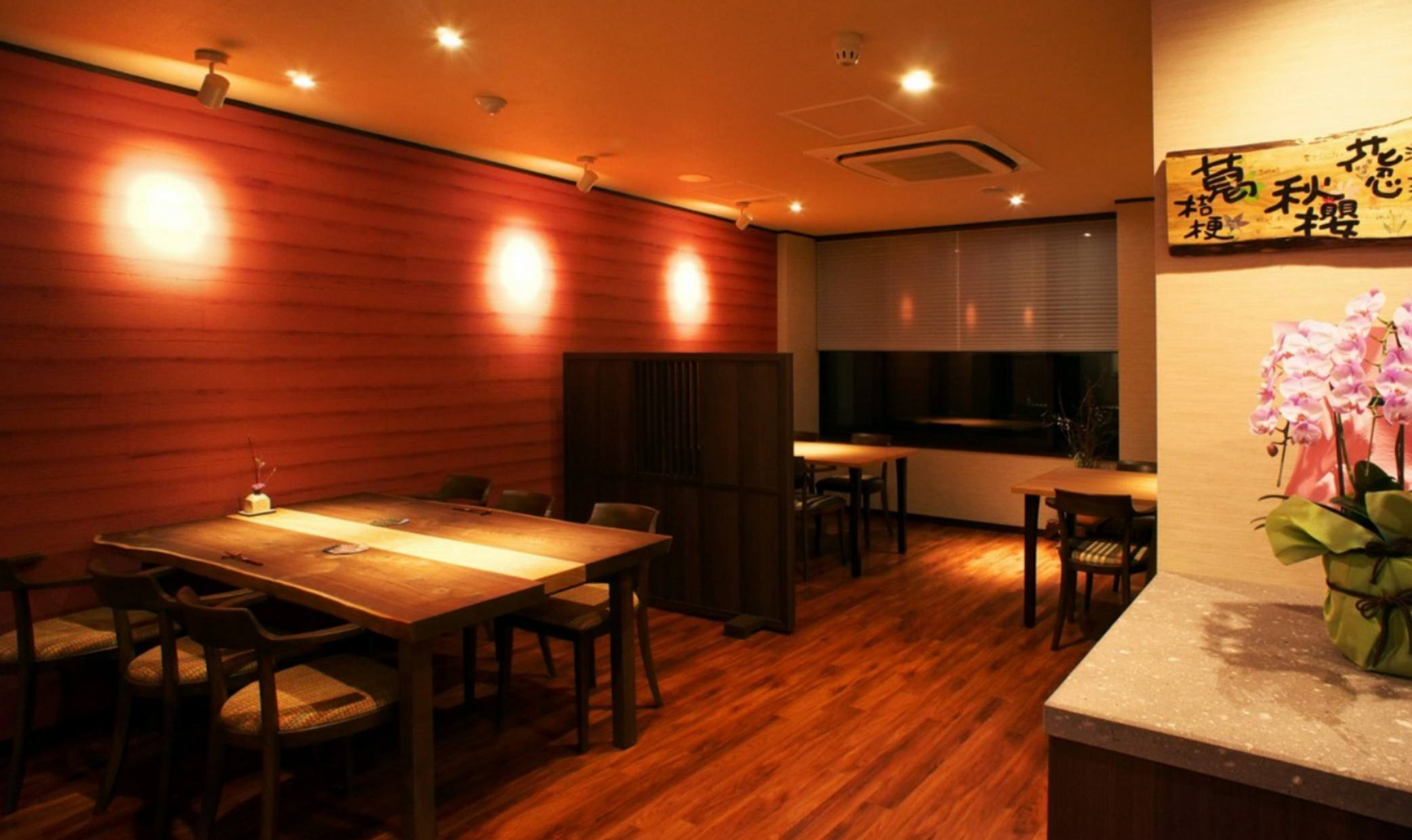
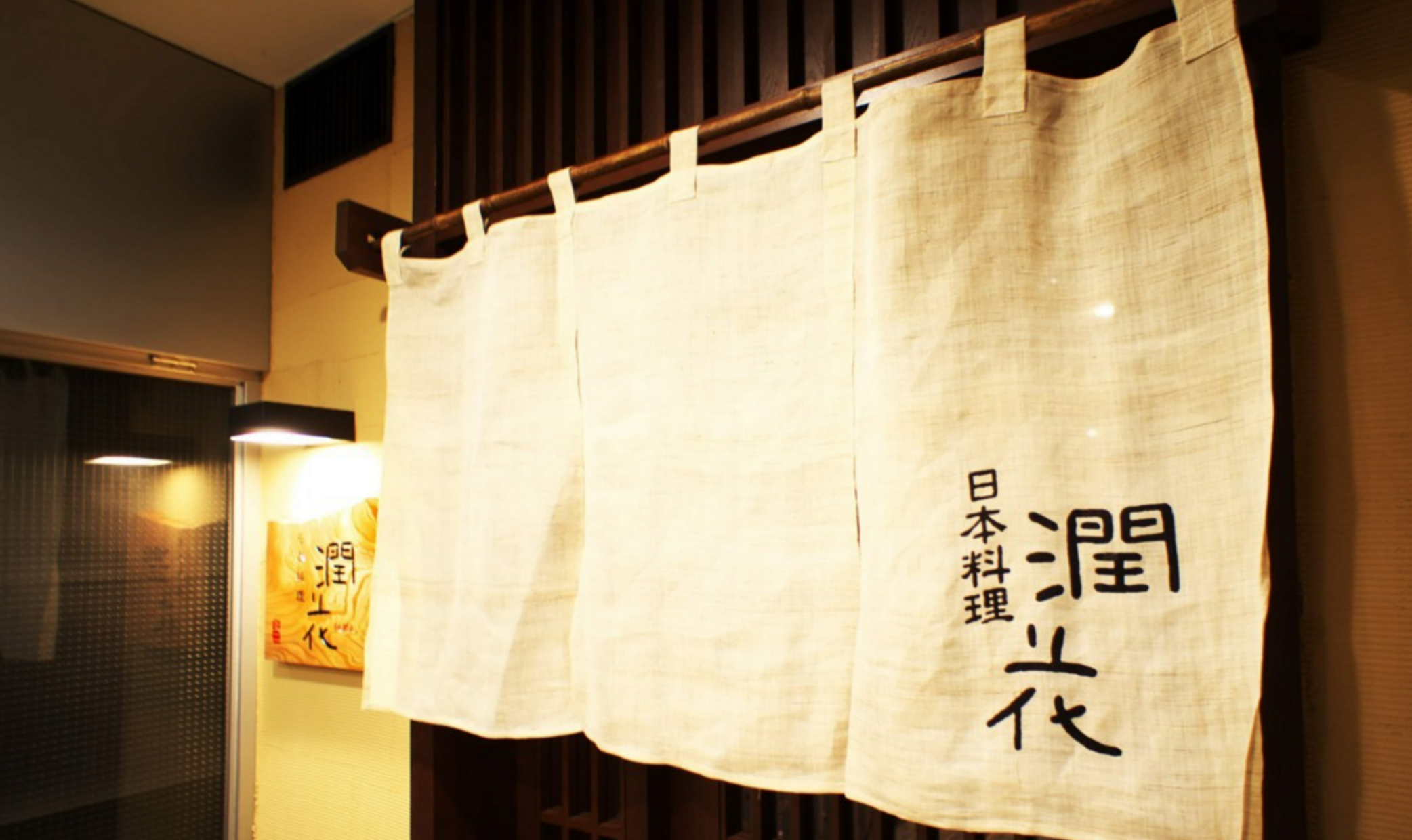
A Japanese restaurant where you can forget the hustle and bustle of daily life with the heart of a flower that enriches your mind.
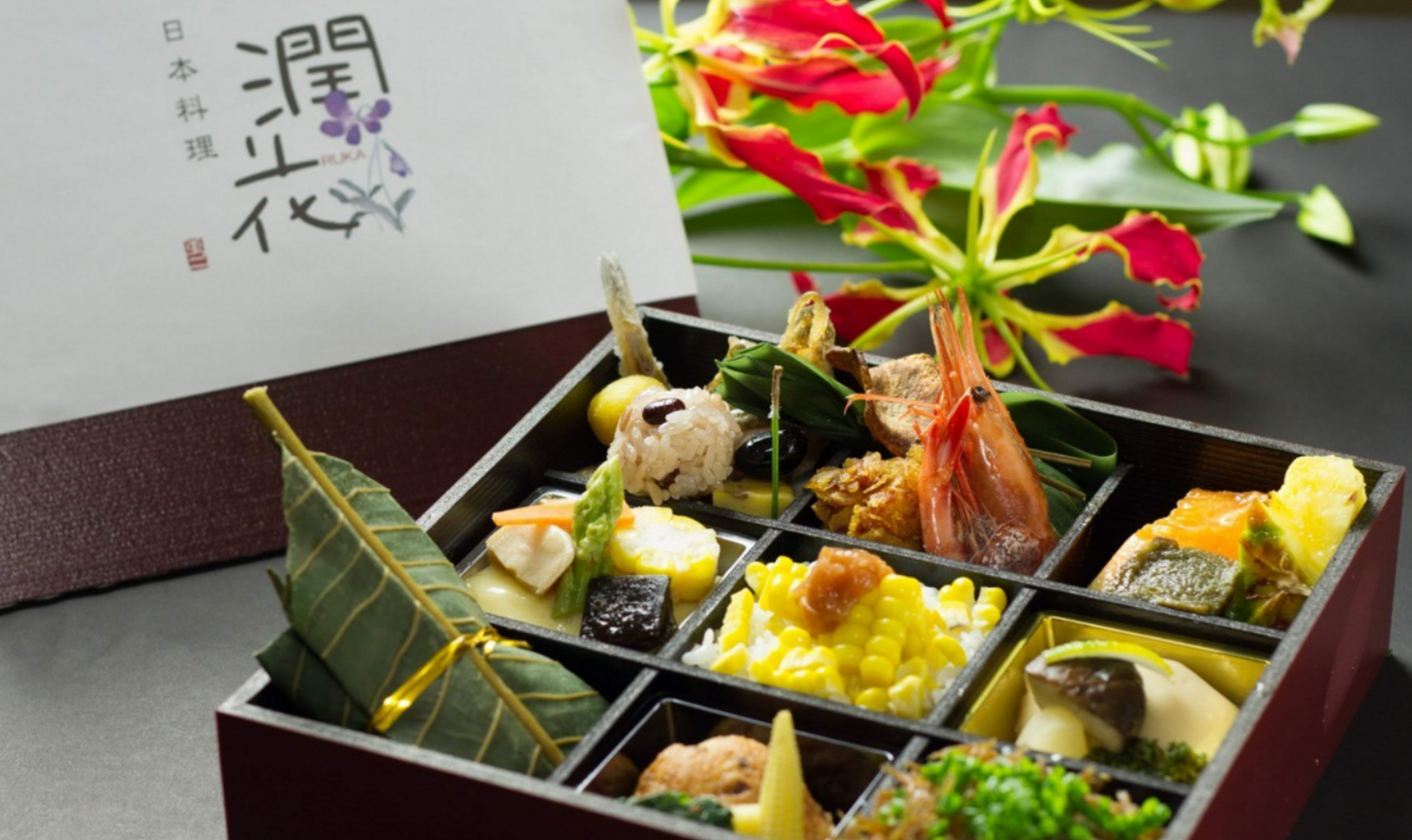
Nihonryori Ruka aims to be a delicious and enjoyable Japanese restaurant that soothes your heart like a flower blooming by the roadside.
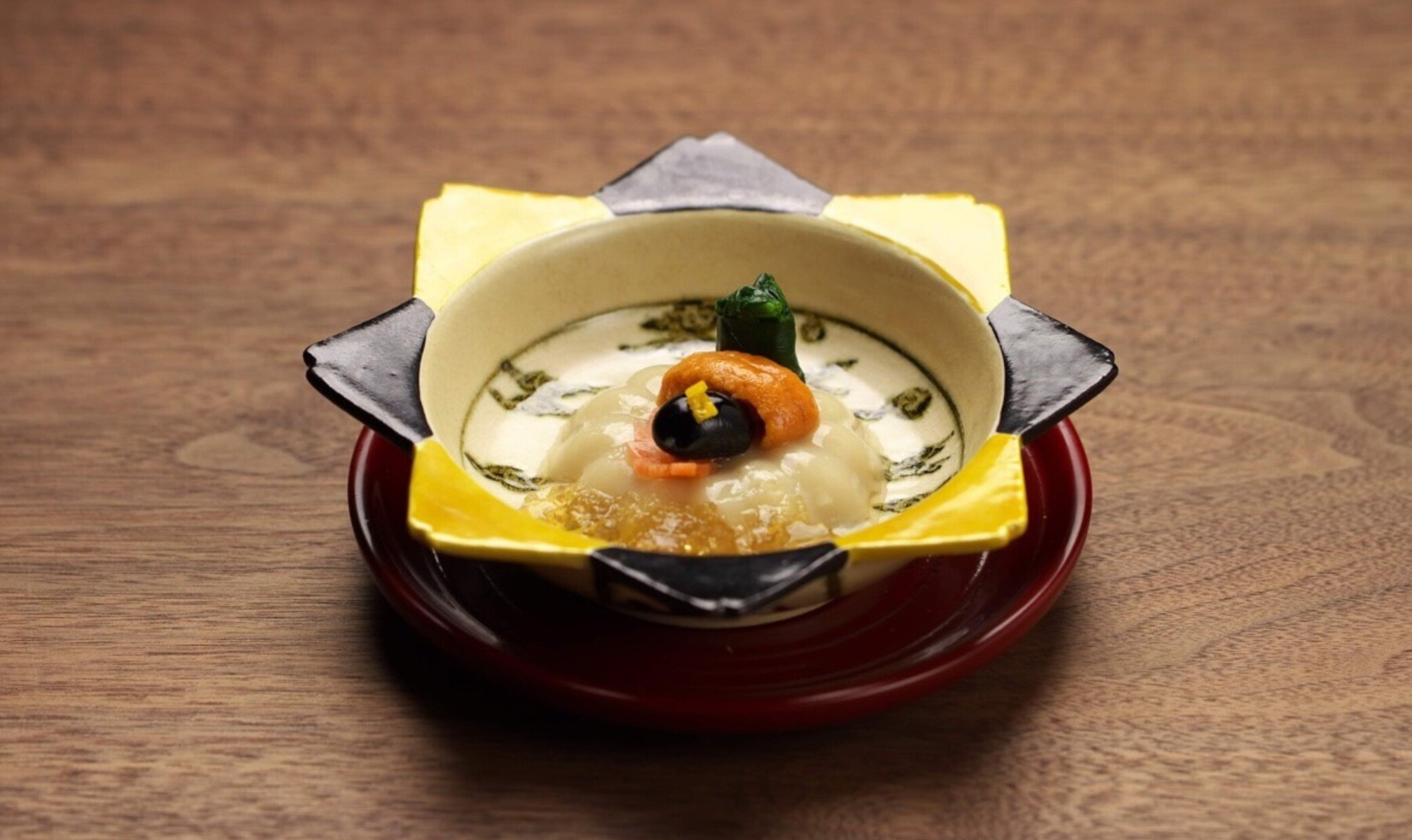
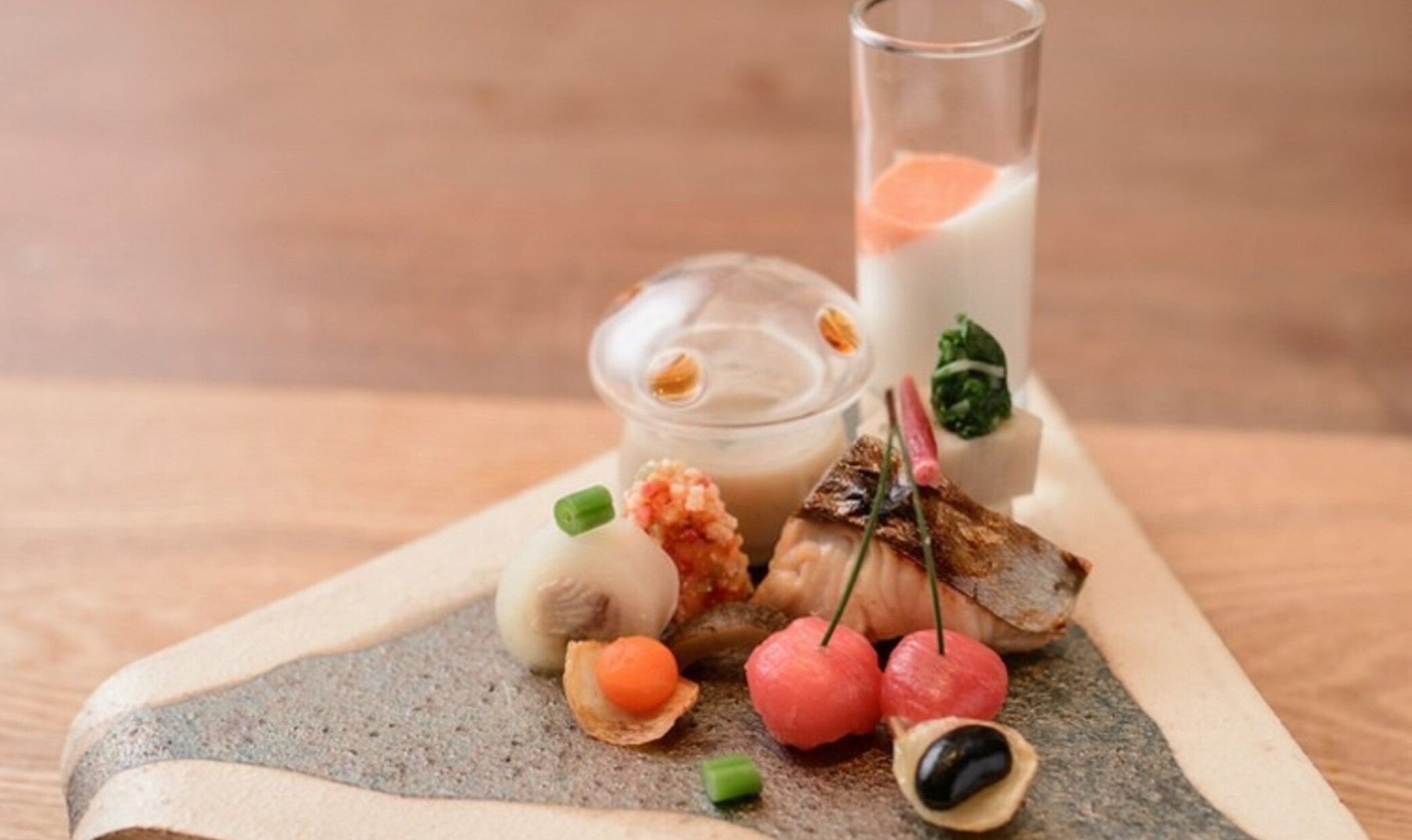
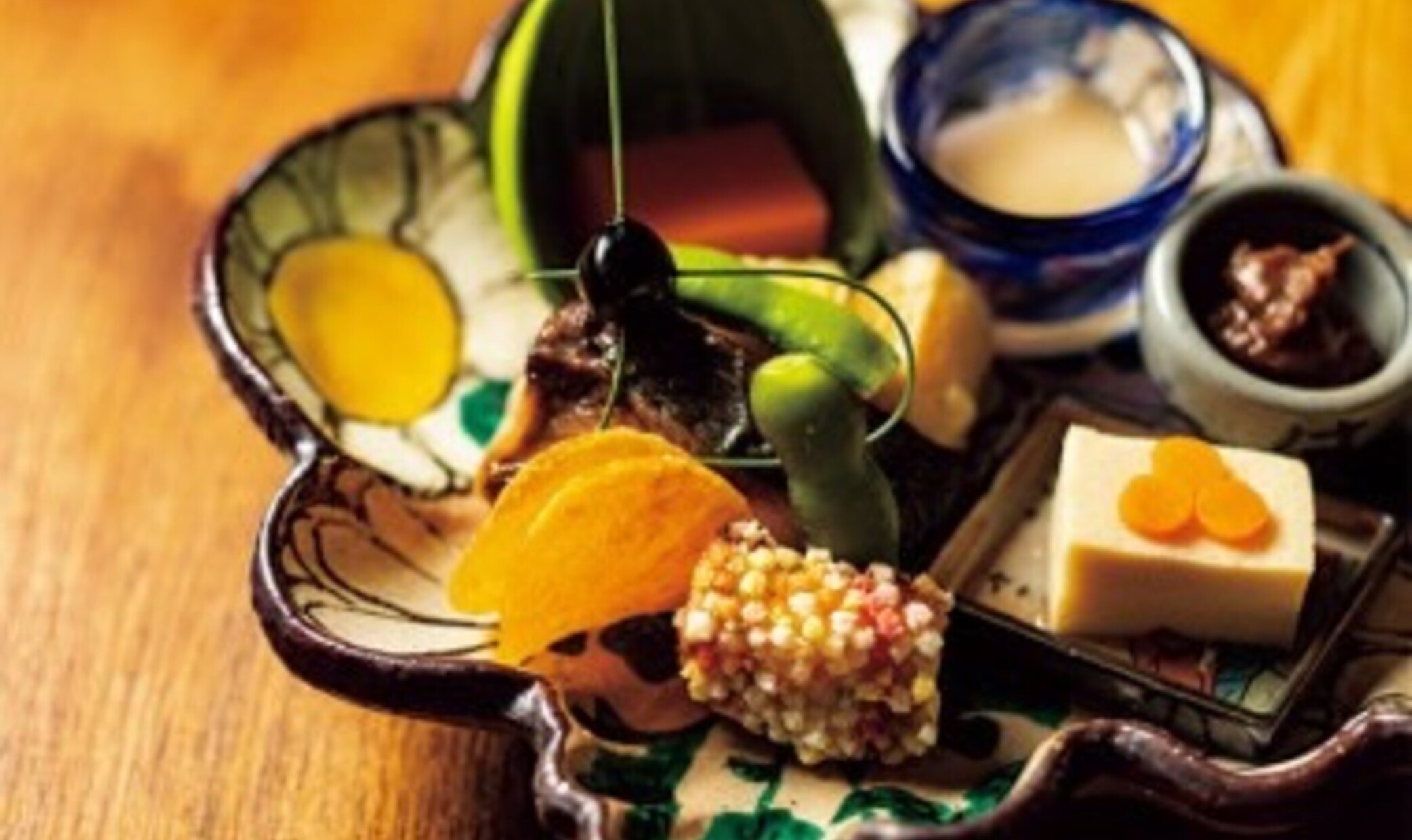
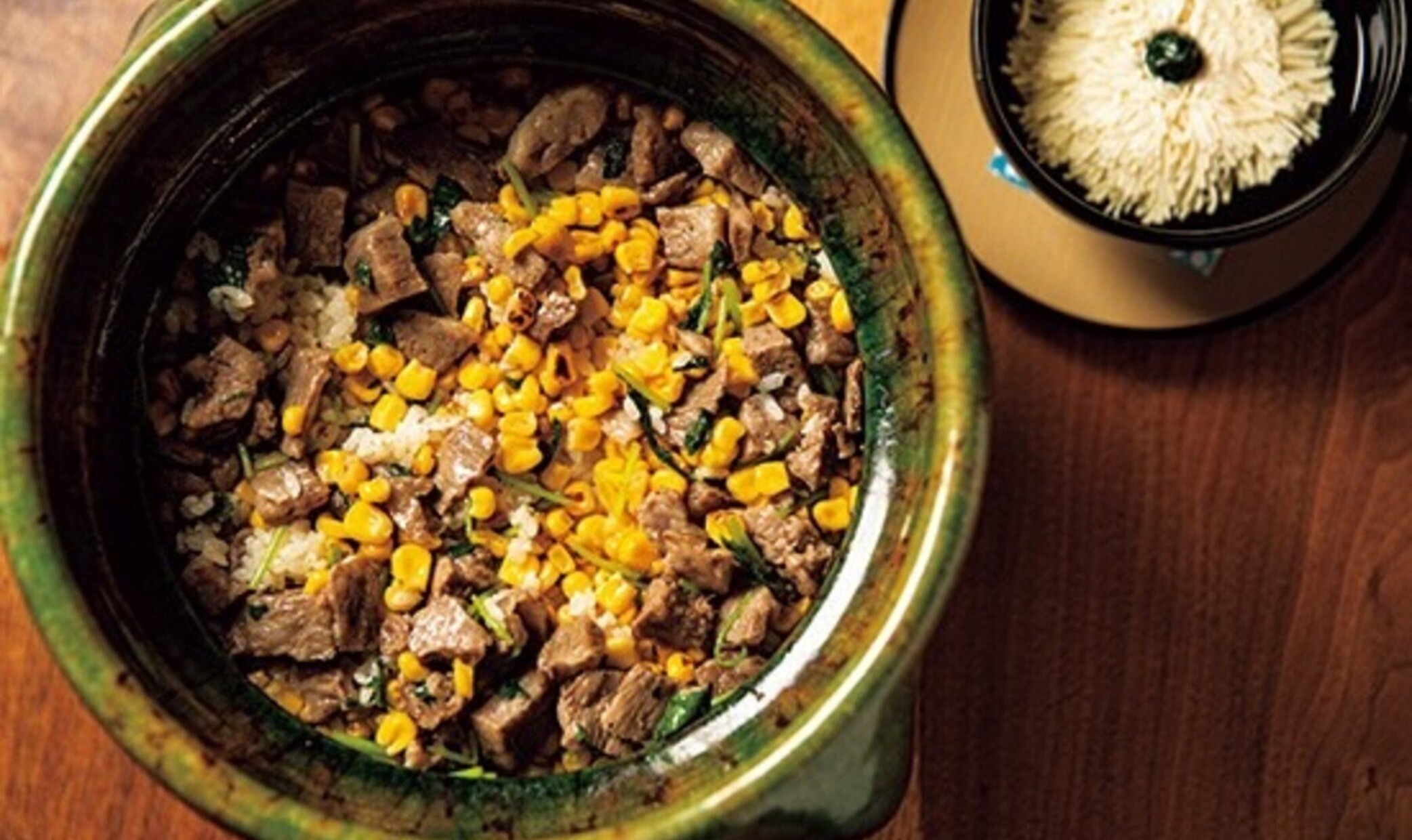
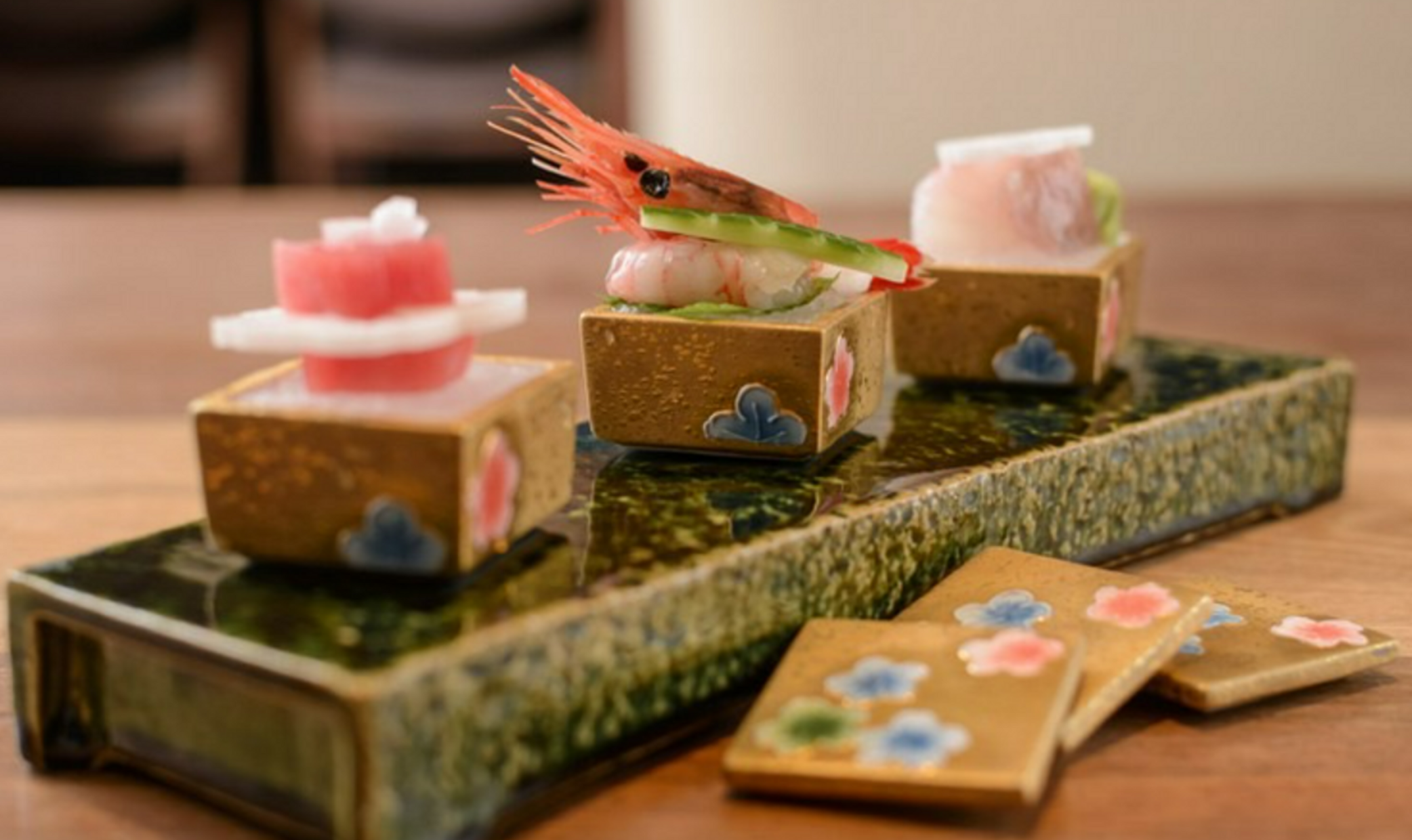
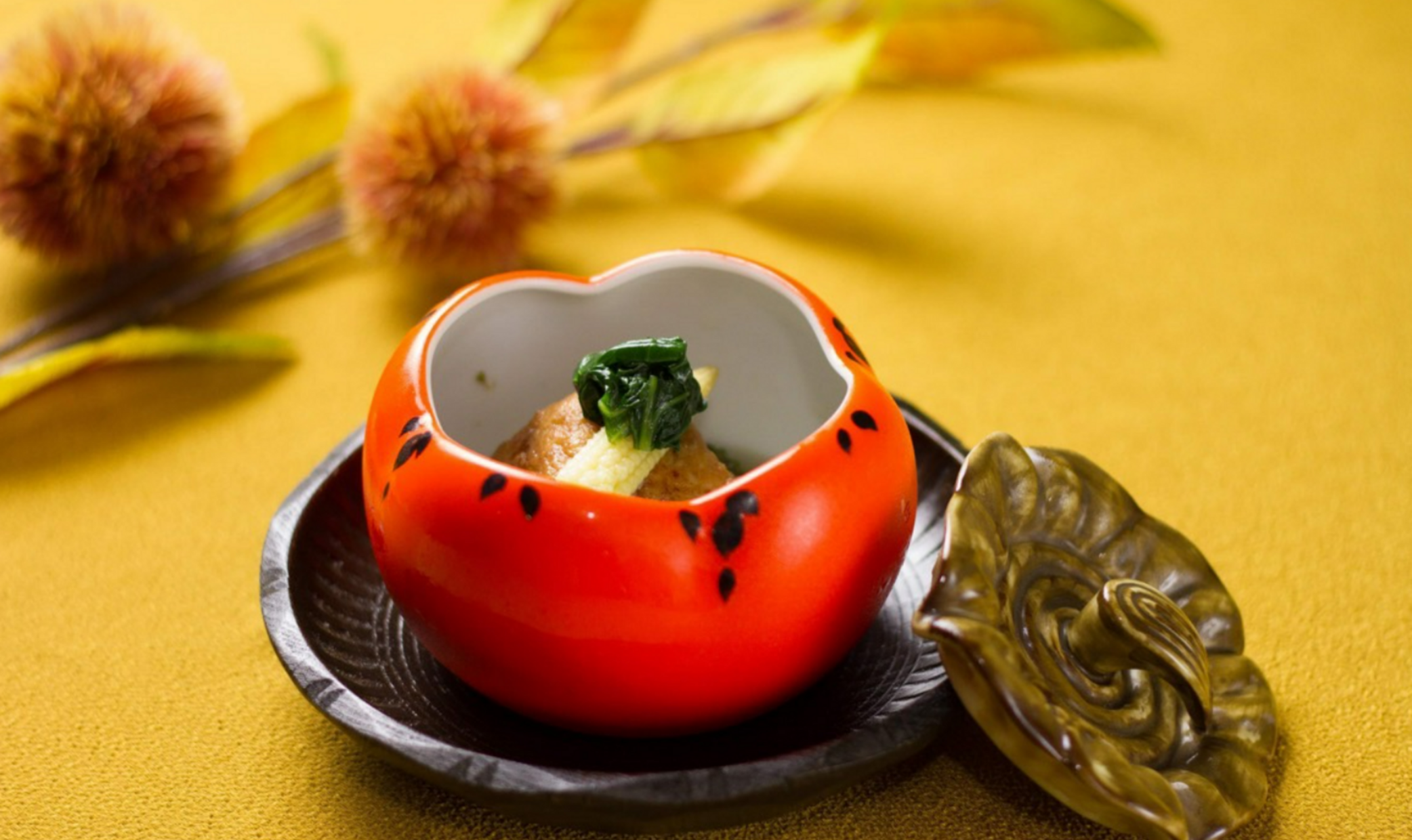
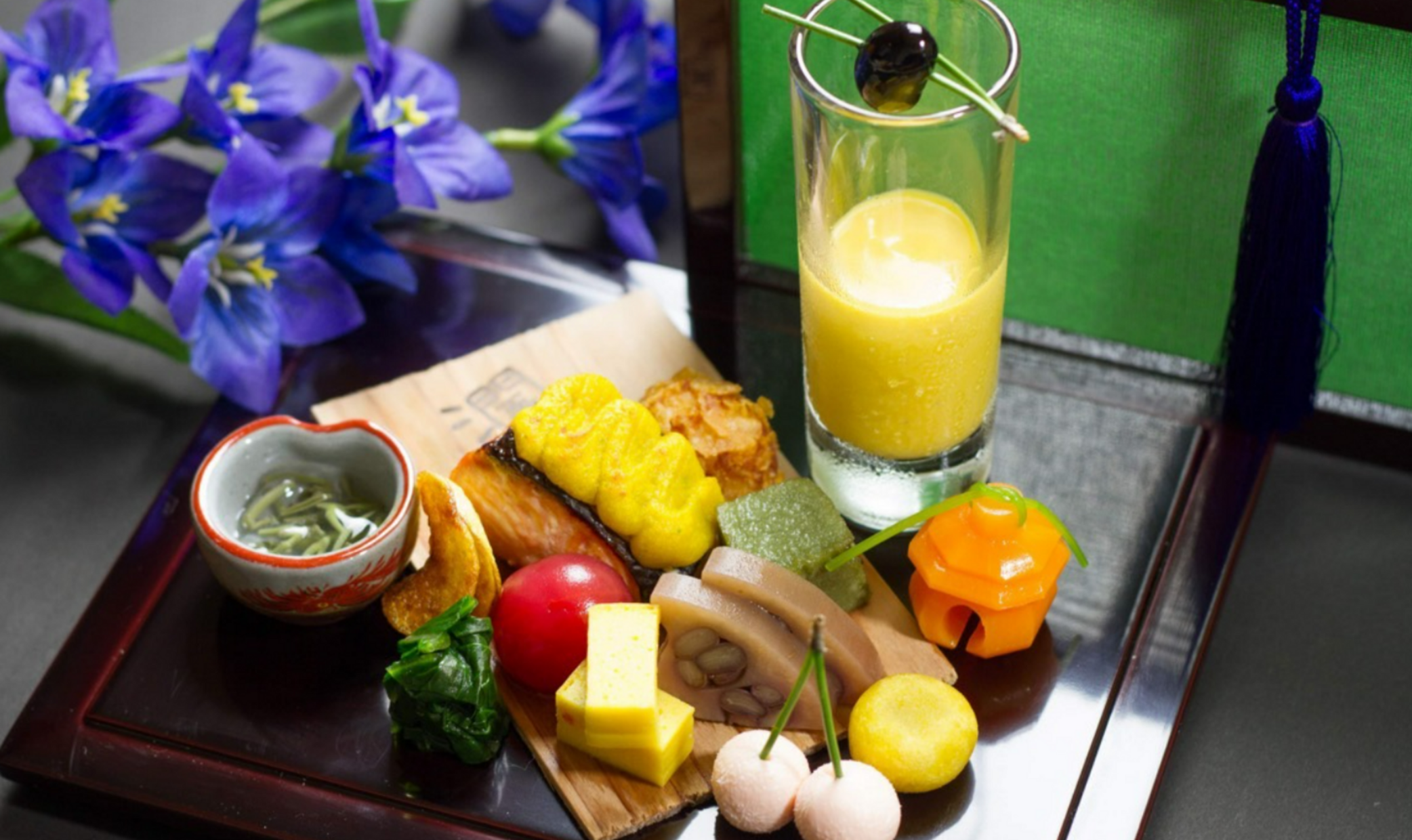
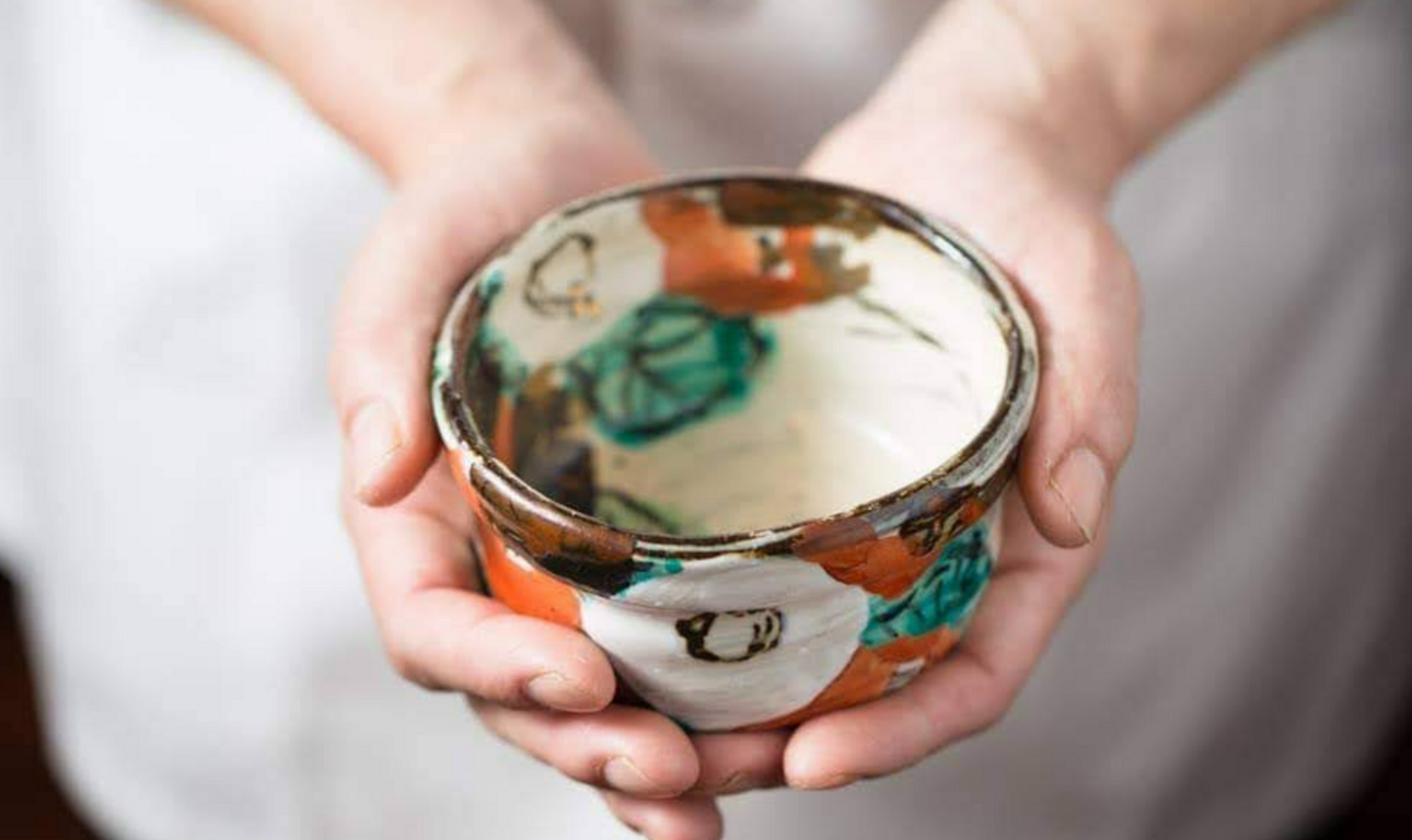
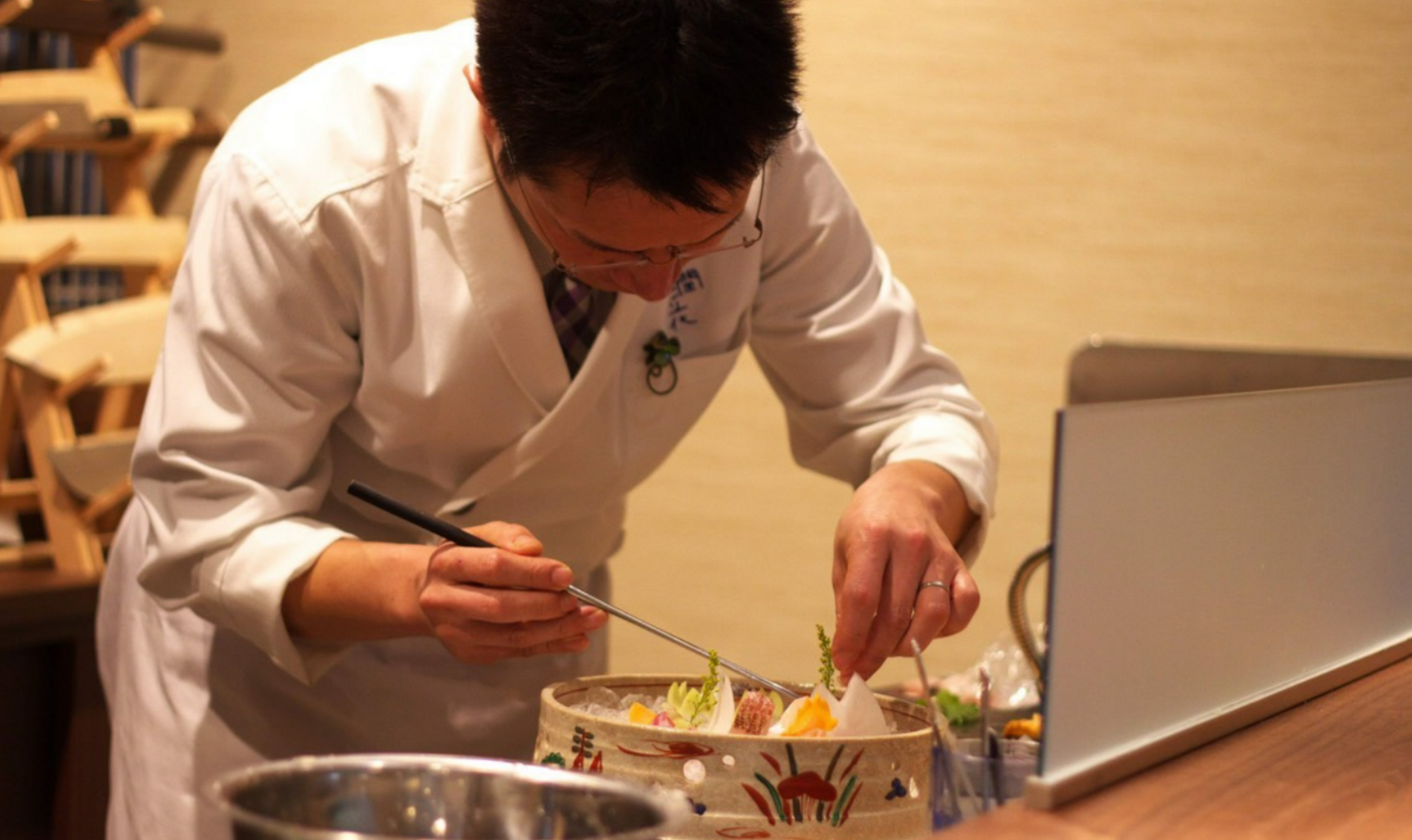
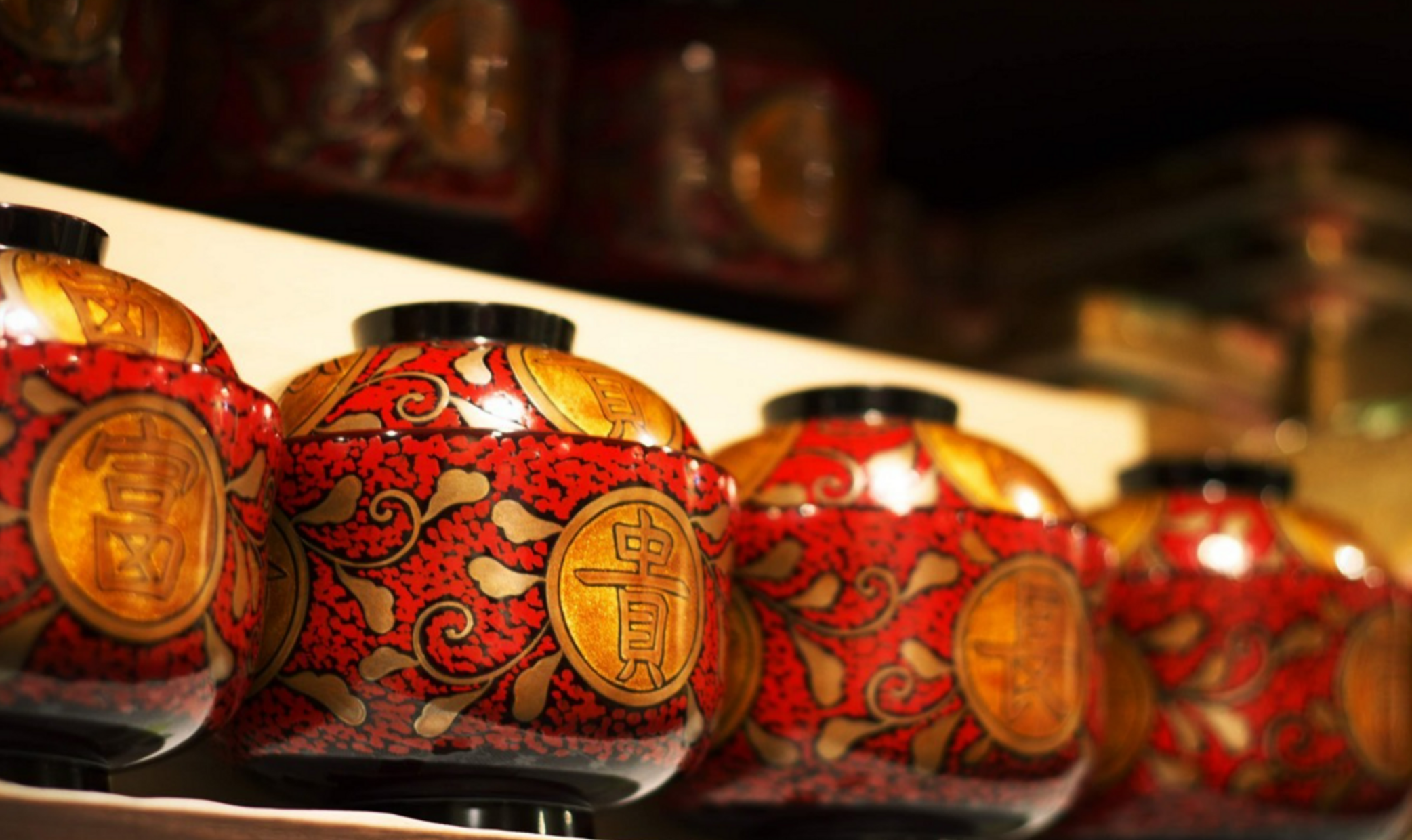
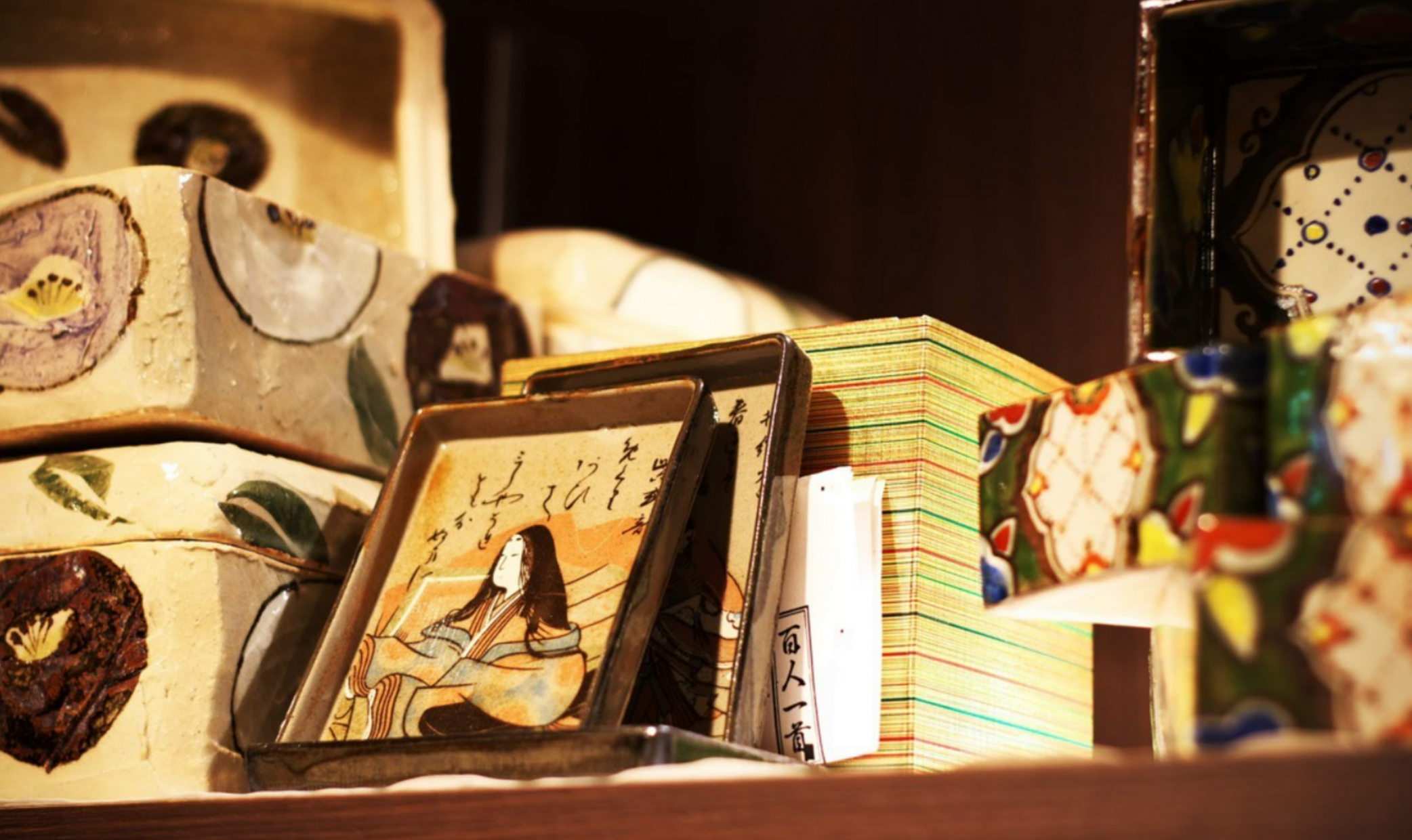
The owner has spent 25 years collecting artists’ plates, serving dishes that express flowers and seasonal scenes, the aroma of carefully prepared dashi, and rice cooked in a custom-made earthenware pot by an earthenware artist, all of which allow you to experience the depth of Japanese cuisine through all five senses.
We hope you will also enjoy the tableware, which is to cuisine what kimono is to Japanese culture.
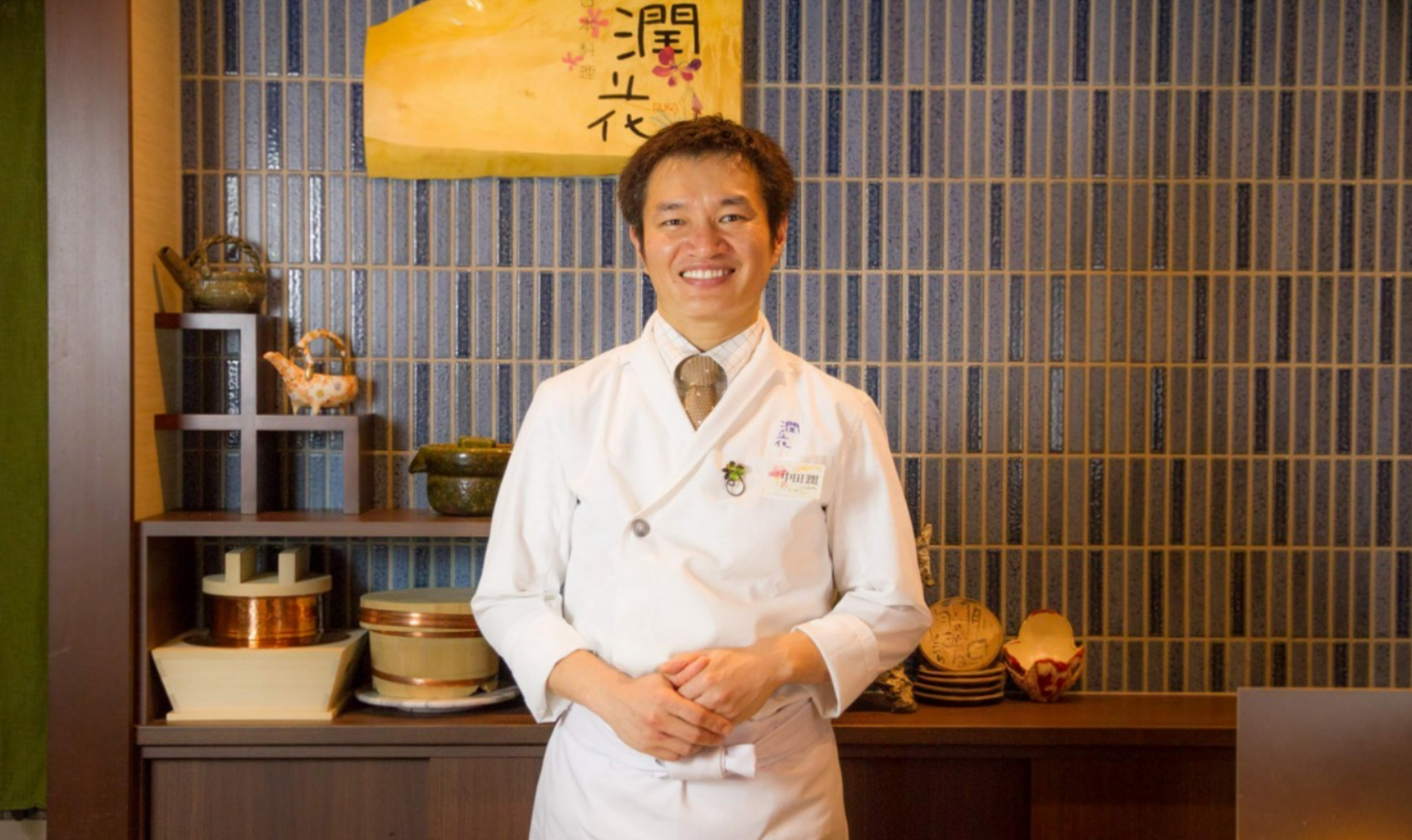
The owner of the restaurant is fascinated by the beauty of tableware and welcomes guests to his cellar, not a wine cellar, but a tableware cellar.
The rice is cooked in earthenware pots one by one, using Nanatsuboshi rice grown in Hokkaido. Freshly cooked rice is the best treat for Japanese people.
Our staff members strive to satisfy our customers based on the philosophy of “delighting our customers through Japanese cuisine.”
We hope that you will spend a heartwarming moment at Nihonryori Ruka.
Menu & Courses
Gentian Course
-Sakura-Cherry blossom Course
・Sakizuke (1st dish / Appetizer)
The opening course. Typically a light and refreshing dish featuring seasonal vegetables or seafood.
・Owan (2nd dish / Soup)
A signature element of Japanese cuisine—the soup course. Often themed to reflect seasonal traditions, such as Hinamatsuri in March or Tanabata in July. The broth is delicately prepared using baby bluefin tuna and Rausu kelp.
・Otsukuri (3rd dish / Sashimi)
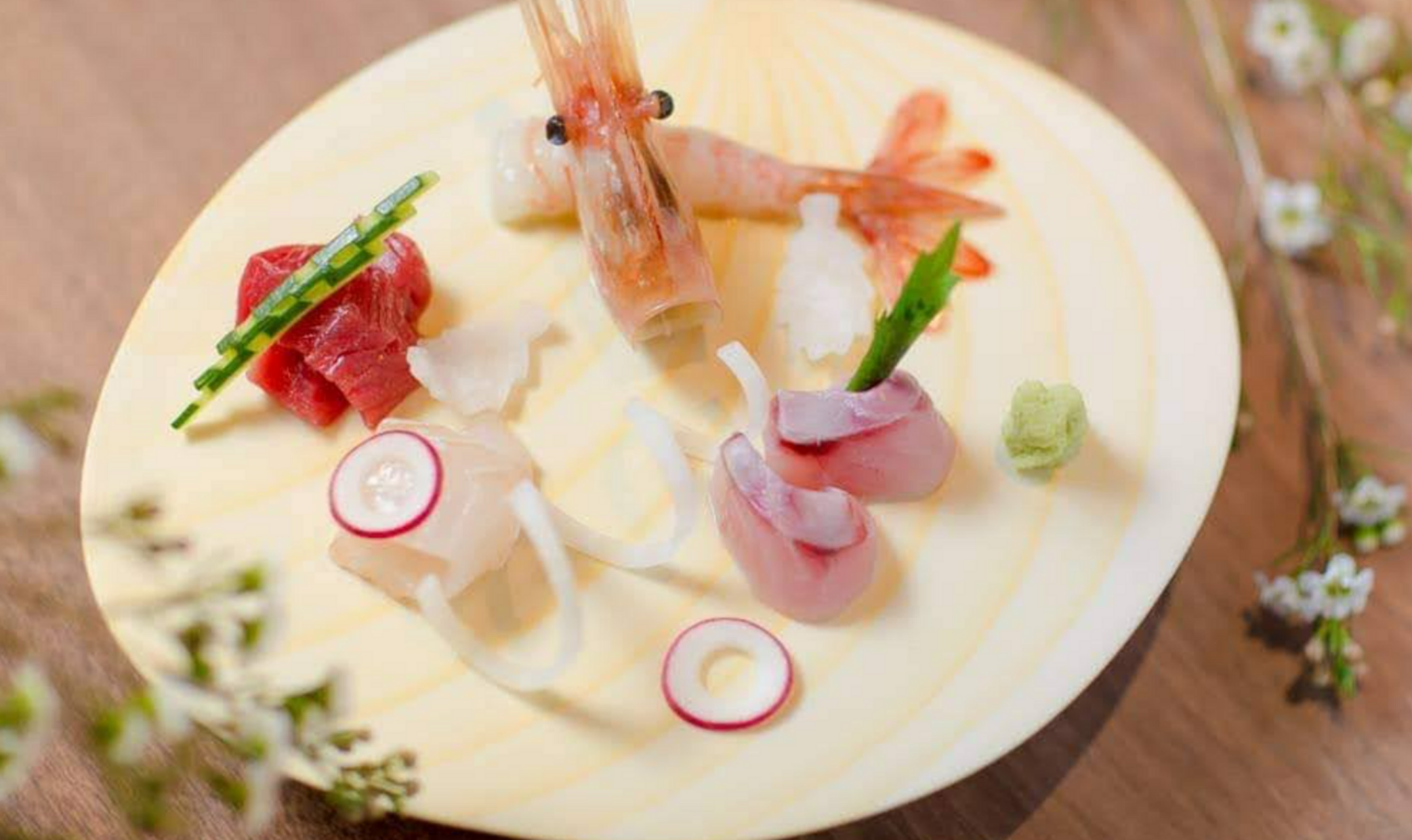
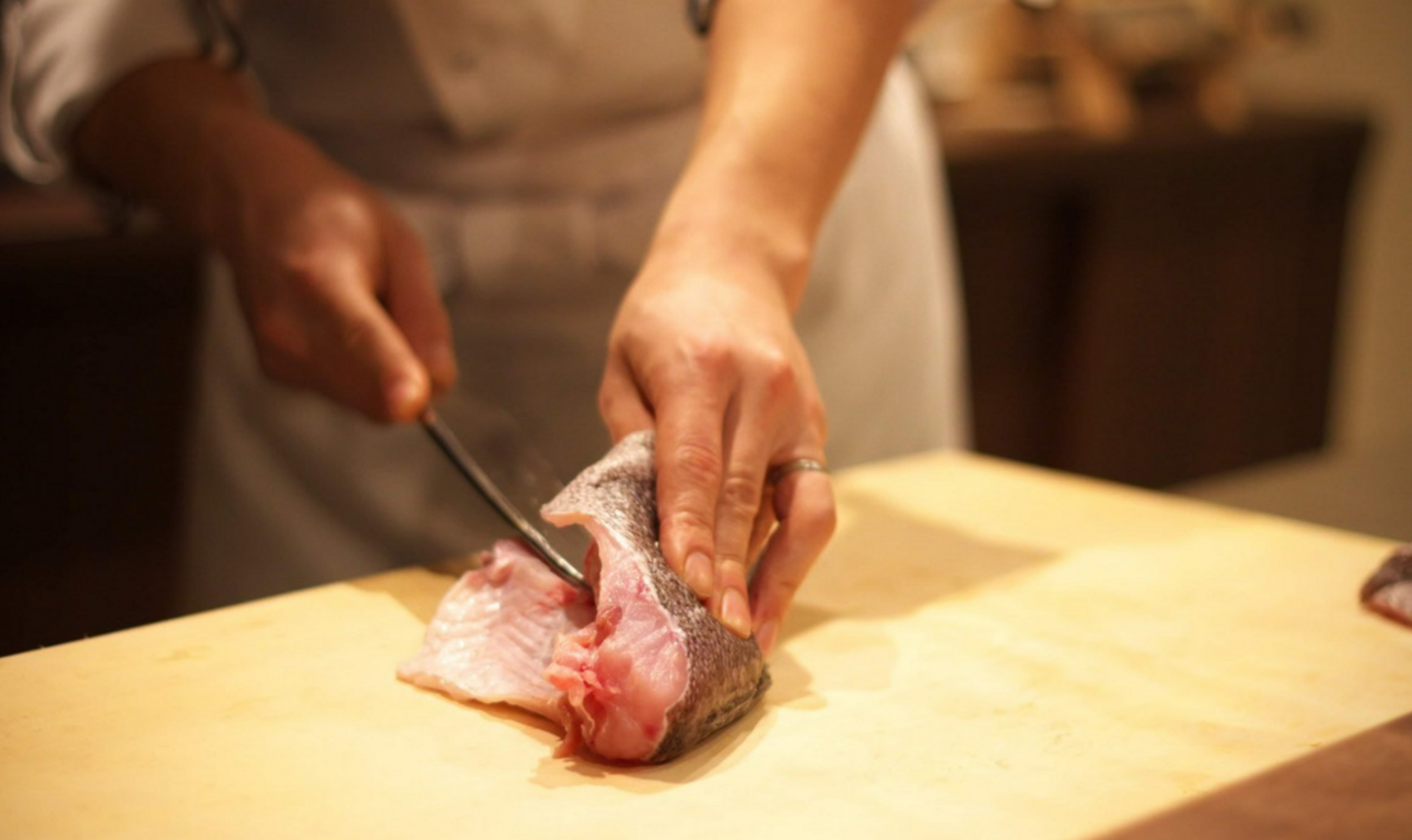
Another centerpiece of Japanese cuisine. At Ruka, sashimi is served on shared platters for each group.
・Mushimono (4th dish / Steamed dish)
A warm, comforting dish to gently satisfy the appetite—often featuring chawanmushi (savory egg custard) or seasonal rice preparations.
・Yakimono Hassun (5th dish / Grilled seasonal platter)
The highlight of the course at Ruka. Like the sashimi, this grilled assortment is served on group platters and showcases seasonal ingredients with flair.
・Atsumono (6th dish / Warm dish)
Hot dishes such as steamed seafood or vegetable dumplings, served piping hot to warm the palate.
・Donabe Gohan (7th dish / Clay pot rice)
The signature dish of Ruka. Cooked tableside in handcrafted donabe by master artisan Nakagawa Ippentoh, each pot is timed to match the group’s pace. Served in various styles—seasoned rice or plain rice with accompaniments—and always paired with miso soup and Japanese pickles.
・Mizugashi (8th dish / Dessert)
Ruka’s beloved egg custard pudding. A signature dessert enjoyed since the restaurant’s opening.
-Kobushi-Magnolia kobus Course
The opening course. Typically a light and refreshing dish featuring seasonal vegetables or seafood.
・Owan (2nd dish / Soup)
A signature element of Japanese cuisine—the soup course. Often themed to reflect seasonal traditions, such as Hinamatsuri in March or Tanabata in July. The broth is delicately prepared using baby bluefin tuna and Rausu kelp.
・Otsukuri (3rd dish / Sashimi)
Another centerpiece of Japanese cuisine. At Ruka, sashimi is served on shared platters for each group.
・Mushimono (4th dish / Steamed dish)
A warm, comforting dish to gently satisfy the appetite—often featuring chawanmushi (savory egg custard) or seasonal rice preparations.
・Yakimono Hassun (5th dish / Grilled seasonal platter)
The highlight of the course at Ruka. Like the sashimi, this grilled assortment is served on group platters and showcases seasonal ingredients with flair.
・Atsumono (6th dish / Warm dish)
Hot dishes such as steamed seafood or vegetable dumplings, served piping hot to warm the palate.
・Donabe Gohan (7th dish / Clay pot rice)
The signature dish of Ruka. Cooked tableside in handcrafted donabe by master artisan Nakagawa Ippentoh, each pot is timed to match the group’s pace. Served in various styles—seasoned rice or plain rice with accompaniments—and always paired with miso soup and Japanese pickles.
・Mizugashi (8th dish / Dessert)
Ruka’s beloved egg custard pudding. A signature dessert enjoyed since the restaurant’s opening.
-Kikyo-Bellflower Course
The opening course. Typically a light and refreshing dish featuring seasonal vegetables or seafood.
・Owan (2nd dish / Soup)
A signature element of Japanese cuisine—the soup course. Often themed to reflect seasonal traditions, such as Hinamatsuri in March or Tanabata in July. The broth is delicately prepared using baby bluefin tuna and Rausu kelp.
・Otsukuri (3rd dish / Sashimi)
Another centerpiece of Japanese cuisine. At Ruka, sashimi is served on shared platters for each group.
・Mushimono (4th dish / Steamed dish)
A warm, comforting dish to gently satisfy the appetite—often featuring chawanmushi (savory egg custard) or seasonal rice preparations.
・Yakimono Hassun (5th dish / Grilled seasonal platter)
The highlight of the course at Ruka. Like the sashimi, this grilled assortment is served on group platters and showcases seasonal ingredients with flair.
・Atsumono (6th dish / Warm dish)
Hot dishes such as steamed seafood or vegetable dumplings, served piping hot to warm the palate.
・Donabe Gohan (7th dish / Clay pot rice)
The signature dish of Ruka. Cooked tableside in handcrafted donabe by master artisan Nakagawa Ippentoh, each pot is timed to match the group’s pace. Served in various styles—seasoned rice or plain rice with accompaniments—and always paired with miso soup and Japanese pickles.
・Mizugashi (8th dish / Dessert)
Ruka’s beloved egg custard pudding. A signature dessert enjoyed since the restaurant’s opening.
-Ran-Orchid Course
The opening course. Typically a light and refreshing dish featuring seasonal vegetables or seafood.
・Owan (2nd dish / Soup)
A signature element of Japanese cuisine—the soup course. Often themed to reflect seasonal traditions, such as Hinamatsuri in March or Tanabata in July. The broth is delicately prepared using baby bluefin tuna and Rausu kelp.
・Otsukuri (3rd dish / Sashimi)
Another centerpiece of Japanese cuisine. At Ruka, sashimi is served on shared platters for each group.
・Mushimono (4th dish / Steamed dish)
A warm, comforting dish to gently satisfy the appetite—often featuring chawanmushi (savory egg custard) or seasonal rice preparations.
・Yakimono Hassun (5th dish / Grilled seasonal platter)
The highlight of the course at Ruka. Like the sashimi, this grilled assortment is served on group platters and showcases seasonal ingredients with flair.
・Atsumono (6th dish / Warm dish)
Hot dishes such as steamed seafood or vegetable dumplings, served piping hot to warm the palate.
・Donabe Gohan (7th dish / Clay pot rice)
The signature dish of Ruka. Cooked tableside in handcrafted donabe by master artisan Nakagawa Ippentoh, each pot is timed to match the group’s pace. Served in various styles—seasoned rice or plain rice with accompaniments—and always paired with miso soup and Japanese pickles.
・Mizugashi (8th dish / Dessert)
Ruka’s beloved egg custard pudding. A signature dessert enjoyed since the restaurant’s opening.
-Rindou-Gentian Course
The opening course. Typically a light and refreshing dish featuring seasonal vegetables or seafood.
・Owan (2nd dish / Soup)
A signature element of Japanese cuisine—the soup course. Often themed to reflect seasonal traditions, such as Hinamatsuri in March or Tanabata in July. The broth is delicately prepared using baby bluefin tuna and Rausu kelp.
・Otsukuri (3rd dish / Sashimi)
Another centerpiece of Japanese cuisine. At Ruka, sashimi is served on shared platters for each group.
・Mushimono (4th dish / Steamed dish)
A warm, comforting dish to gently satisfy the appetite—often featuring chawanmushi (savory egg custard) or seasonal rice preparations.
・Yakimono Hassun (5th dish / Grilled seasonal platter)
The highlight of the course at Ruka. Like the sashimi, this grilled assortment is served on group platters and showcases seasonal ingredients with flair.
・Atsumono (6th dish / Warm dish)
Hot dishes such as steamed seafood or vegetable dumplings, served piping hot to warm the palate.
・Donabe Gohan (7th dish / Clay pot rice)
The signature dish of Ruka. Cooked tableside in handcrafted donabe by master artisan Nakagawa Ippentoh, each pot is timed to match the group’s pace. Served in various styles—seasoned rice or plain rice with accompaniments—and always paired with miso soup and Japanese pickles.
・Mizugashi (8th dish / Dessert)
Ruka’s beloved egg custard pudding. A signature dessert enjoyed since the restaurant’s opening.
*Tax and service charge to the restaurant included.
*The course fee must be paid in advance, and any additional charges incurred on-site will be settled on the day.
*Please note that the price may vary depending on market conditions.
Features
-
We use translation devices to assist.
English drink menus are available. -
Guests aged 6 and above, and able to enjoy the course meal.(Course time is 2 hours).
-
3,000 JPY / Bottle *wine
-
-
-
Reservation Notes
-
Price Range:
Lunch: USD 67.76 - USD 135.52
Dinner: USD 67.76 - USD 135.52 -
Dietary restrictions / Allergies:
If you have any specific food allergies or ingredients you cannot consume, please inform us in advance. Unfortunately, we cannot accept reservations if there are ingredients that you cannot eat within a wide range.
-
Arrival time:
Please arrive 5 minutes before your reserved time to ensure a timely start of your meal. If you do not contact us and exceed your reservation time, it will be automatically canceled.
-
Dress Code:
Dress code is smart casual (Please refrain from wearing T-shirts, shorts, and sandals when you visit.)
-
Children:
Guests aged 6 and above, and able to enjoy the course meal.(Course time is 2 hours).
-
Others:
We kindly ask for your consideration regarding excessive perfume or fabric softener fragrances.
Information
| Total Seats | 30 Seats |
|---|---|
| Operation hours | Lunch:12:00PM - 3:00PM(L.O. 1:30PM) Dinner:5:30PM - 10:00PM(L.O. 8:00PM) |
| Regular holiday | Mondays, Irregular Holidays *The restaurant may be temporarily open or temporarily closed. |
| URL | |
| Payment methods | Cash, Credit card available |
| Smoking | Not Allowed |
| Address |
Season Building B1F,22-2-15 Nishi, Minami 1-jo, Chuo-ku, Sapporo-shi, Hokkaido
北海道札幌市中央区南1条西22-2-15 シーズンビル B1F
|
| Nearest station |
MaruyamaKoen Station
JR Sapporo Station Susukino Station |
| Directions from station |
5 minutes walk from MaruyamaKoen Station
13 minutes by cab from JR Sapporo Station 10 minutes by cab from Susukino Station |